The Weekly Digest
Discover the latest in nutrition – from reliable research to practical tips and wholesome recipes dished out by registered dietitians. Whether you're seeking science-backed insights, expert advice, or delicious ways to nourish your body, we've got you covered!
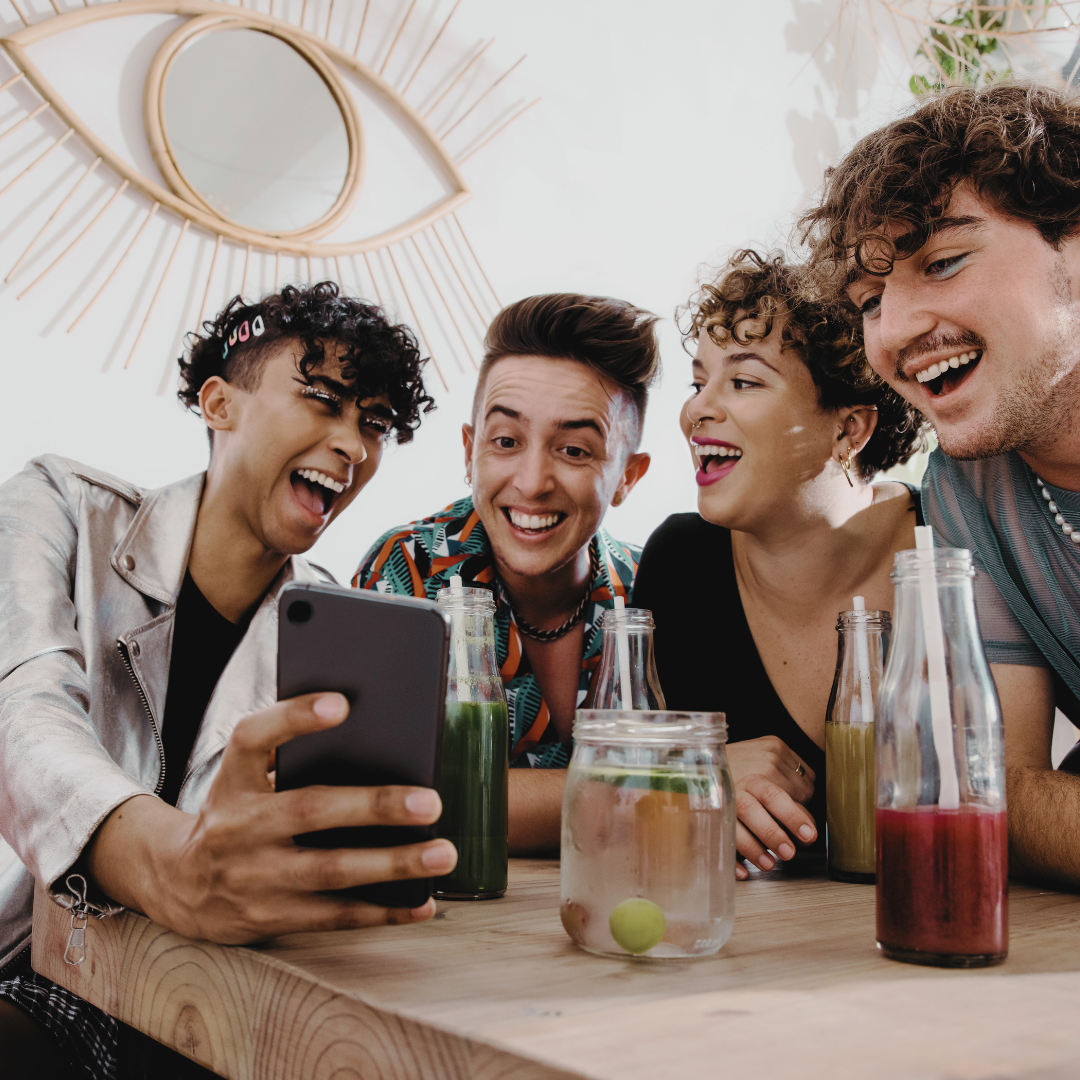
Eating Disorders in the LGBTQ+ Community
Pride Month is often filled with messages about authenticity, self-expression, and celebrating who you are. But for many LGBTQ+ individuals, the relationship with their body can feel much more complicated.
Body image struggles, food anxiety, disordered eating, and eating disorders are incredibly common within LGBTQ+ communities, yet many people still feel unseen in conversations about recovery and support.

How to Spot Nutrition Misinformation Online
You've probably seen it: a viral post claiming a single food can "fix your gut health," or an influencer warning you to cut out entire food groups. It makes sense that these posts catch your attention, they're confident, simple, and seem to offer clear answers. In a world where nutrition feels confusing, that kind of certainty is appealing. But here's the problem: confidence isn't the same as accuracy.
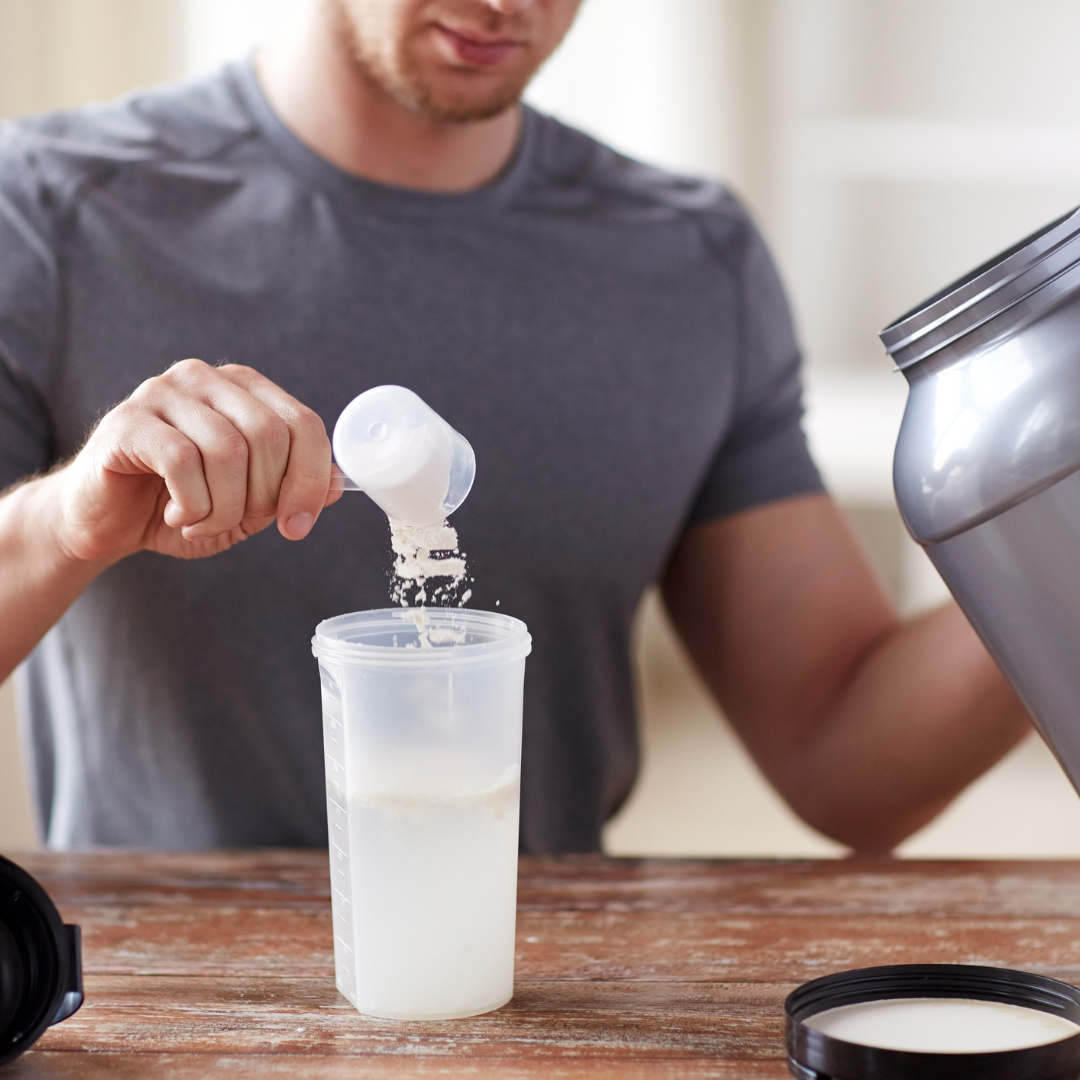
How Much Protein Do You Actually Need?
Protein has become one of the biggest trends in nutrition. Grocery store shelves are filled with high-protein snacks, shakes, bars, cereals, and even desserts. Diets like keto and carnivore continue gaining popularity online, often promoting the idea that more protein is always better.
But with so much conflicting information online, many people are left wondering: how much protein do we actually need?
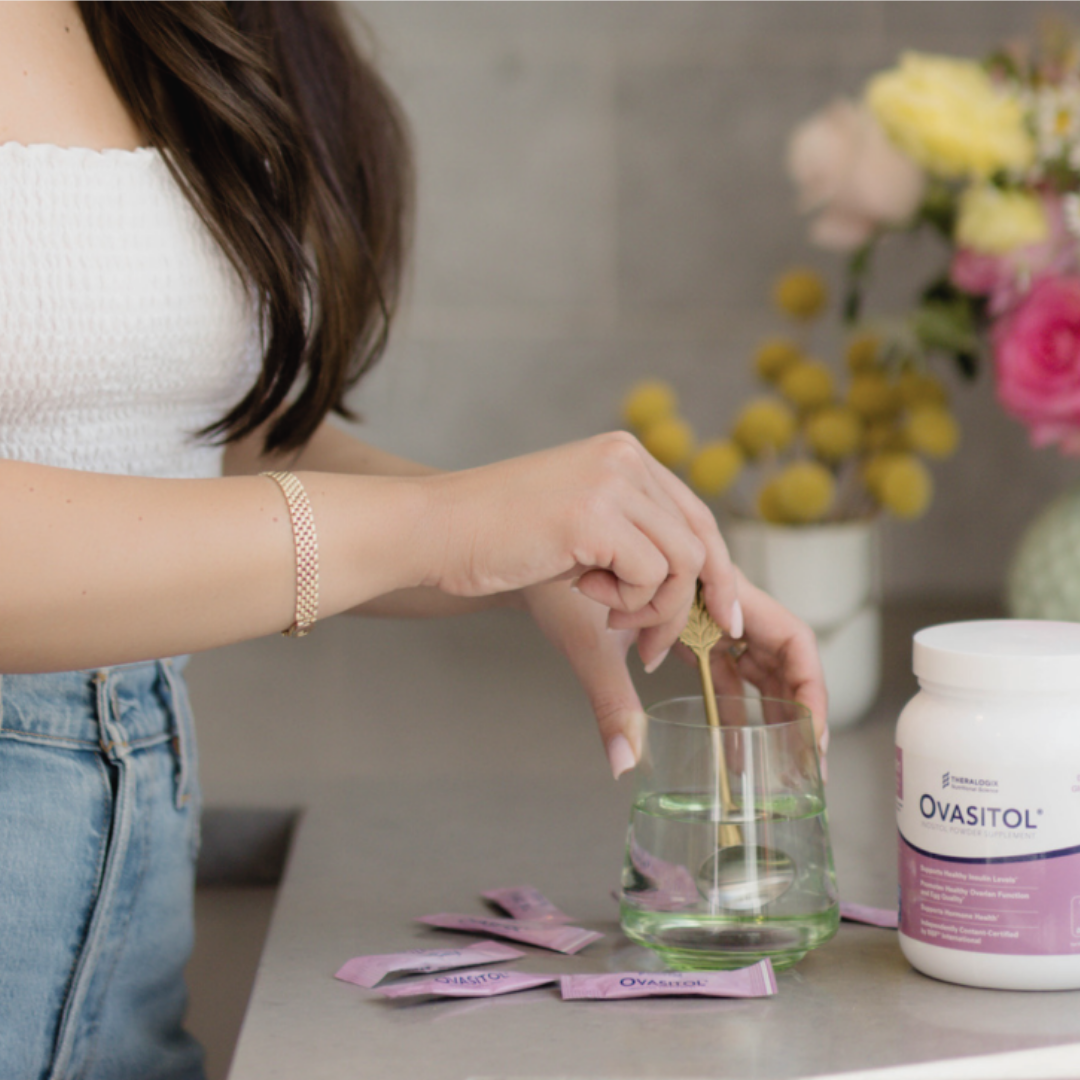
Ovasitol for PCOS (now PMOS) and Insulin Resistance
As a Women’s Health specialist, I often work with individuals navigating the complex hormonal landscape of polycystic ovary syndrome (PCOS). One supplement that consistently stands out in both research and clinical practice is Ovasitol, a targeted blend of myo-inositol and D-chiro-inositol in a physiologically balanced ratio.
PCOS is frequently driven by insulin resistance, even in individuals with normal body weight. This underlying issue can disrupt ovulation, increase androgen levels, and contribute to symptoms such as irregular cycles, acne, and excess hair growth. Ovasitol works by improving insulin sensitivity at the cellular level, helping the body use insulin more effectively and reducing the cascade of hormonal imbalances that follow.

Finding Peace with Food and Your Body: How Registered Dietitians Can Help
If you've ever felt trapped in a cycle of dieting, struggled with negative thoughts about your body, or felt confused about what "healthy eating" really means, you're not alone. At Northern Nutrition Group, our registered dietitians (RDs) are here to help you build a healthier, more peaceful relationship with both food and your body, without focusing on weight loss

Protecting Your Kidneys as You Age: Simple Daily Habits That Matter
Kidney function naturally changes as we age. It’s common for filtration (measured as eGFR) to gradually decline over time, even in otherwise healthy adults. Importantly, this does not automatically mean kidney disease. What matters most is how your kidneys are functioning in the context of your overall health, and the daily habits that support them. As we get older, the kidneys become more sensitive to dehydration, blood pressure changes, blood sugar levels, and medications. The biggest risk factors for kidney decline include high blood pressure, diabetes, chronic dehydration, and frequent use of medications like NSAIDs. The encouraging part is that many of these are manageable, and small, consistent habits can go a long way in protecting kidney function over time.

When Social Media Influences Eating Patterns: How to Discern Helpful Info vs. Harmful Narratives
In today’s digital world, social media can play a big role in shaping our views on nutrition, often in both positive and negative ways. While platforms like Instagram, TikTok, and Pinterest can offer delicious inspiration and encourage body positivity, they can also push unrealistic expectations and unhealthy dieting messages.

7 Signs You May Have An Eating Disorder
Cultural messages can become internalized. The voice that says someone just isn’t trying hard enough can quietly shape how they think and feel about food, their body, and movement. For many people, these pressures contribute to patterns around food and exercise that begin as attempts to cope or feel in control, but can eventually become distressing or difficult to navigate alone.
Eating disorders are complex and can affect people of all body sizes, identities, and backgrounds. They are not a sign of failure or lack of willpower.

Why Am I Always Hungry? Understanding What Your Body Might Be Telling You
“Why am I always hungry?” is a question many people ask at some point. Feeling hungry often can be confusing, especially when messages about food sometimes suggest that hunger is something we should try to control or minimize.
In reality, hunger is one of the body’s most important biological signals. Appetite is regulated through a complex system involving the brain, digestive system, hormones, sleep, and daily routines. Hunger helps ensure that the body receives enough energy to support thinking, movement, and overall health.
If you notice that you feel hungry frequently, it does not necessarily mean something is wrong. More often, it is an invitation to get curious about what your body might need.
Personalized Nutrition Requires A Person: Where AI Falls Short
Scrolling social media or typing a quick question into AI can feel like an easy way to get nutrition advice. As a Registered Dietitian Nutritionist, I understand the appeal. Information is instant, free, and often presented confidently. But when it comes to your health (particularly hormone balance, gut issues, weight changes, or chronic symptoms) relying on AI-generated nutrition advice can be misleading and, in some cases, harmful.